Borrowing is not a dirty word

Hello you all! This week, we will look into the importance of credit and why it has so many benefits.

One of those benefits is the daunting B-word; get your mind out of the gutter, not that word! I am referring to the word, borrow. If you are like me, you too don’t like to borrow from anyone because you like keeping your money. Borrow is using something belonging to someone else to return it. “Loan” can be a noun, such as a sum of money that you must pay back with interest, or a verb, the act of lending something to someone. Please don’t think I am a weird person; we all know that you are borrowing for a large purchase like a home or car.

As a college student, it is likely you borrowed money and currently are dealing with student loans. If you have a healthy credit score, then borrowing isn’t a bad thing. When borrowing, the annual percentage rate (APR) is critical when deciding which loan to accept. The lower the APR you receive means that you will pay less interest over time. Your APR ties right into your credit score. The higher your credit score, the less interest you will be charged. In this sense, if you’ve had financial issues in the past, you could be in a place where your finances are paying off interest. Having excellent credit gives you the financial freedom to have great financing options when borrowing.

Daryl Singleton
Daryl Singleton

There is the other side of borrowing, repayment. Repayment seems to be the part I struggle with most. I simply don’t like giving away money. There are several options available to students as it relates to student loans, but you must be willing to call and ask about your options. Most lenders are willing to work with you if you are responsible managing your repayment. Consider that for smaller items, and you could borrow from yourself because you have been budgeting. Remember please take what you need from this blog and let’s build!

What are the types of credit and why you need it?

Hello and welcome back to the TRIO Financial Literacy Blog. In the previous blog, we talked about what credit is. In this blog, we will cover different types of credit.

During my research, I came across two primary forms of credit — revolving credit and installment credit. Revolving credit usually is your credit card. It is credit that can be borrowed repeatedly but has a set limit — your credit limit — that you can borrow. Most likely you are in control of how much you borrow, and interest is charged if the balance is not paid by the due date. As you pay on time, the account stays open until you choose to close it. Another example of revolving credit is a home equity line of credit.

The second form of credit is installment credit. Installment credit is a loan that you borrow one amount and repay it with interest in accrues in installments each month. At the time it is paid back in full, then the account is closed. Typically this type includes mortgages, personal loans, auto loans, and student loans.

In recent years there has been another form of credit that has emerged, it called “open credit.” Open credit does not have a set amount to repay as it varies from month to month. Open credit includes utility bills, cable, and even cellular services.

Daryl Singleton
Daryl Singleton

All in all, credit gives you the option of purchasing items now instead of later. I want to remind you of what we learned in earlier blogs. The money you spend should make you more money. Credit is part of your financial power. It helps you get the things you need now, like a loan for a car or a credit card, based on your promise to pay later. Working to improve your credit helps ensure you’ll qualify for loans when you need them. The choice is yours on how you choose to spend your income but let’s remember to be smart about utilizing our funds. As always, let’s build!

Reference

Time. (2021, July 21). Understanding different types of credit | nextadvisor with Time. Time.

SC4 Gallery Exhibit to feature works of former Professor David Korff

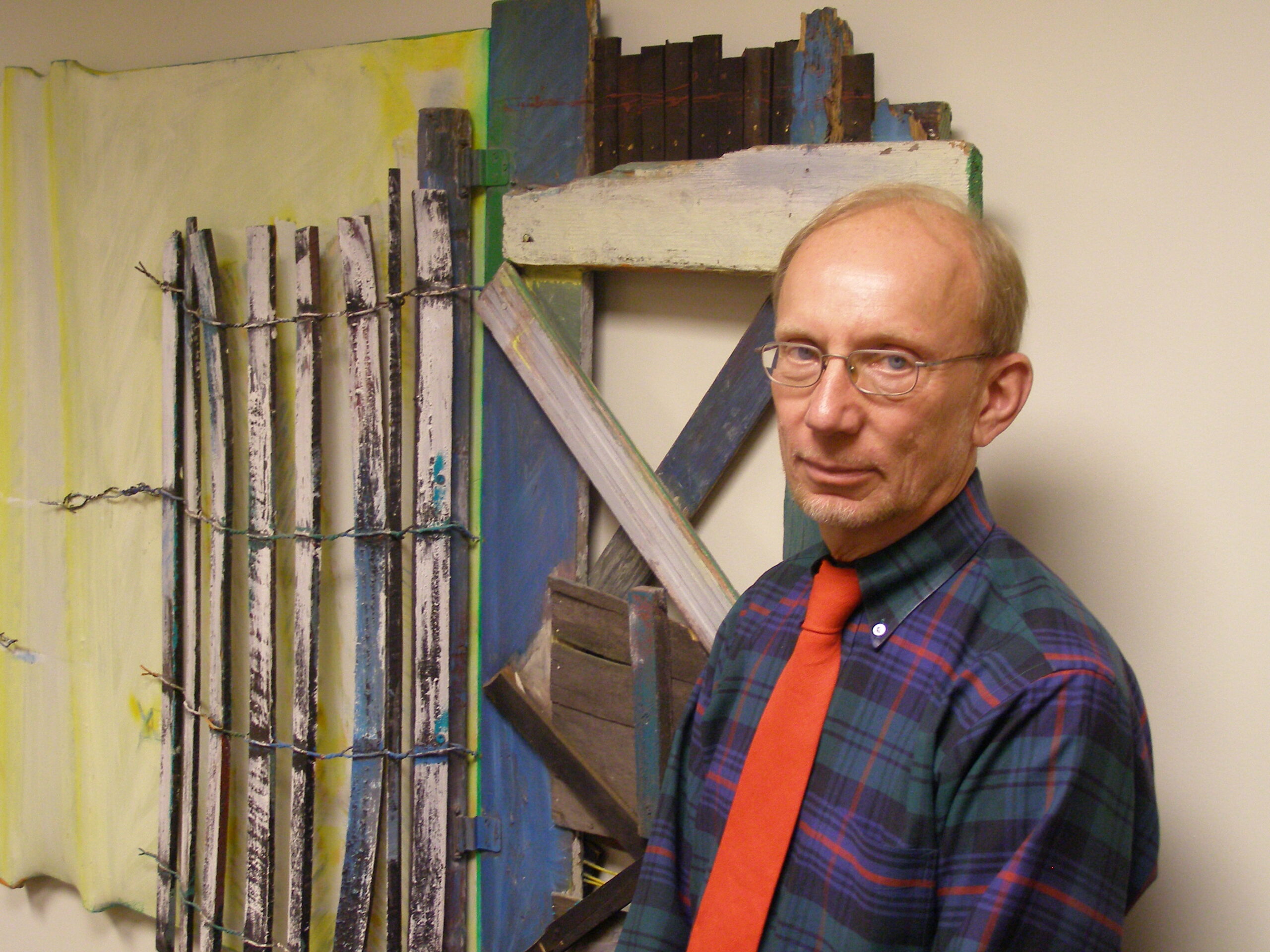
St. Clair County Community College is presenting “Timelines: Progression of a Vision,” a memorial exhibition of works created by SC4 Professor of Visual and Performing Arts David Korff, who passed away in January 2021.

David was a 30-year professor at the college before retiring in 2011. The galleries will feature 44 works including 10 watercolors, 14 drawings and 20 collages. As Chairman of Visual and Performing Arts at Lambton College in Sarnia, and later, the same role at SC4, he followed his Plan A for 45 years. There never was a Plan B. The blue water between Canada and the United States ran through his veins and influenced much of his work, which has been featured in many galleries and museums, as well as private collections.

His wife Katherine shared the following, “We are all given time and purpose, but time is less important if the purpose is a life well lived. If you really care about the world you live in and the space you inhabit within that world, you may have been a student of David Korff.”

David was an art advocate not only with his students but in the local community and beyond. He was a founding member of the Port Huron Art Initiative, served on the Art Committee for the Community Foundation of St. Clair County and was a board member of the International Symphony and Port Huron Museum.

Korff was an integral part of Patterns, a magazine of SC4 student literature and art that has been published annually for more than 60 years. The memorial dedication in the 63rd edition of Patterns states, “David was a teacher and artist of diverse talents and tastes. When it came to music, the graphic and plastic arts, literature, dance or theatre, he dedicated himself to supporting all of them and seeing them flourish on our campus.” There is no part of our community connected to the arts that has not in some way, been touched by David’s presence. “It is his lasting gift to us.”

Exhibit hours are 9 a.m. to 4:30 p.m. Monday through Friday from Nov. 15, to Dec. 17, in SC4’s Fine Arts Gallery. Extended Saturday hours are 9 a.m. to 4 p.m. Nov. 20, 27, Dec. 4 and 11. The gallery is closed Nov. 24 to 26.

Community members are encouraged to visit campus for a stroll through the galleries to view the works of David Korff and share their thoughts in an Exhibition Journal, which will be kept by the family.

Native American History Month presentation planned Nov. 5

In recognition of Native American History Month, the Office of Diversity, Equity and Inclusion is sponsoring a presentation titled ‘We Are Still Here’ by Banashee (Joe) Cadreau and Giddigongookskwe (Jade) Green. The presentation will take place from 10 to 11:30 a.m. Friday, Nov. 5, in the Fine Arts Theatre.

The event will be a discussion and presentation on Indigenous culture and history in Michigan, the United States and Canada. The importance of identity and the real history of the three fires people of Michigan (Ojibwa, Odawa and Botawatami) and how we are still here and why our history was never told due to colonization and assimilation.

Banashee (Joe) Cadreau

Banashee is an enrolled member of the federally recognized Sault St. Marie Tribe of Chippewa Indians. He was raised in both traditional and urban upbringings, both on reservation and a major metropolitan area. In his adolescent years, refusing to acknowledge his culture led to many difficult times as he struggled to find his place in the world. He later recognized his calling was to fight for social justice and equity. He is an active community advocate for Anishinaabe people and all Indigenous people throughout the country and globally.

He travels across the state delivering diversity presentations for schools, universities, museums and corporate clients.

Giddigongookskwe (Jade) Green

Giddigongookskwe, a 14-year old from Howard City, is co-founder of Bimose Ode. She has a passion for speaking about her journey with her Indigenous identity and issues that indigenous youth face today and in the future.

The oldest of four siblings she helps to instill traditions and a sense of Native pride for her family. She is particularly concerned with issues surrounding racism in the battle for clean water and access to healthy food. She spends her time volunteering and getting involved in social activism and community organizations.

Email dei@sc4.edu to reserve a seat for this event.