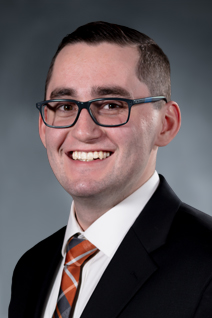
Instructor Scott Berg encourages students to stay strong during current learning environment

The Engineering Graphics program at St. Clair County Community College prepares students for real life experiences using hands-on preparation. This gives them the foundational skills to be successful, whether they start their career in our community or if they choose to continue their education beyond SC4.

In instructor Scott Berg’s classroom, the COVID-19 pandemic has presented challenges, but students have adapted to using the protocols set in place to allow continued hands-on learning in the classroom. Wearing masks and shields, practicing social distancing and washing hands frequently is the new normal. Berg also contributes a successful learning environment to the SC4 maintenance staff keeping the classroom environment clean and disinfected.

“I have been encouraging students to keep their heads up and to keep smiling, because they can be a light to others during this difficult time,” said Berg. “Nothing lasts forever.”

In Introduction to Computer Aided Drafting (ETG-115), students get an introduction to the use of AutoCAD software, focusing on geometric construction and editing tools. They learn and incorporate techniques of computer-aided drafting practices by reading and checking drawings, principles of orthographic projection, and working drawings.

This class is part of the first semester curriculum for any student interested in earning an Associate in Applied Arts and Science in Engineering Technology—Engineering Graphics/CAD degree.

Students gain experience with software such as AutoCAD, Autodesk Inventor, Solidworks and CATIA, while translating their drawings to life using 3D printers. These experiences provide the foundational skills to adapt to multiple platforms of computer-aided design (CAD) now being used in manufacturing, automotive, medical and other fields. Advanced, specialized courses help students develop proficiency in areas such as bodyline design, tool and die, and injection mold design.

“I know it sounds cliché, but teaching at SC4 has given me the opportunity to serve,” Berg said. “I enjoy guiding students and learning from them.”

To learn more about engineering programs at SC4, visit https://sc4.edu/programs/science-technology-engineering-math/.

Winter classes start in January. Current students can register now through the Portal Service Center and new students can learn more and get started at sc4.edu/start here.

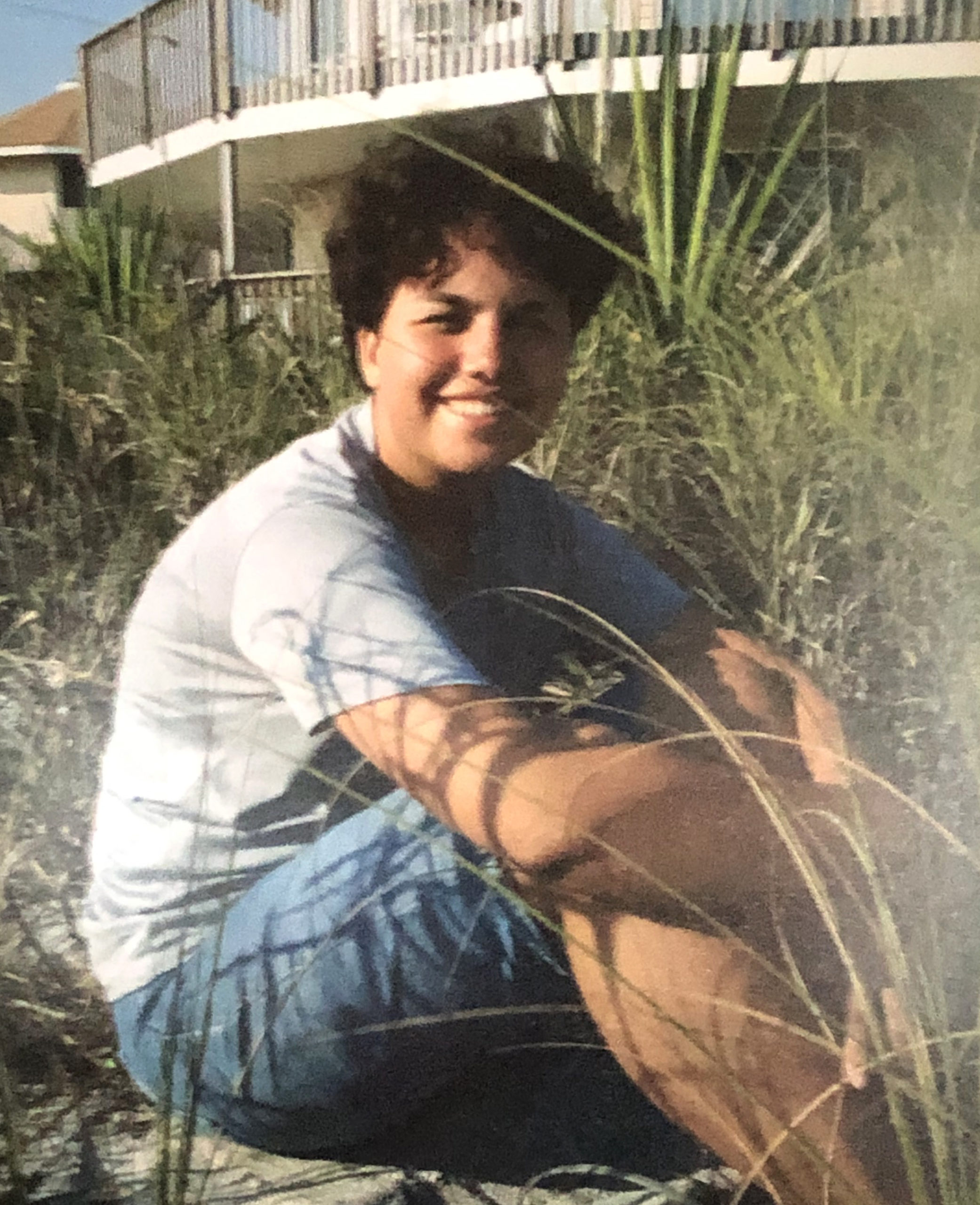
December 3rd worldwide celebration of International Day of People with Disabilities

The International Day of People with Disabilities (IDPD or IDPwD) was established in 1992 by the United Nations (UN) General Assembly to increase understanding and awareness of disability issues and the abilities of people with disabilities; promote the full and effective participation in society for the dignity, rights and well-being of people with disabilities; and celebrate the achievements and contributions of people with disabilities. It is observed worldwide on December 3 each year.

This year, during the annual celebration of people with disabilities, the 2020 theme ‘Not all Disabilities are Visible’ also focuses on spreading awareness and understanding of disabilities that are not immediately apparent, such as mental illness, chronic pain or fatigue, sight or hearing impairments, diabetes, brain injuries, neurological disorders, learning differences and cognitive dysfunctions, among others. 

According to the WHO World Report on Disability, 15 percent of the world’s population, or more than 1 billion people, are living with disability. Of this number, it’s estimated 450 million are living with a mental or neurological condition— and two-thirds of these people will not seek professional medical help, largely due to stigma, discrimination and neglect. 

During the COVID-19 pandemic, isolation, disconnect, disrupted routines and diminished services have greatly impacted the lives and mental well-being of people with disabilities right around the world. Spreading awareness of invisible disabilities, as well as these potentially detrimental— and not always immediately apparent— impacts to mental health, is crucial as the world continues to fight against the virus.

Around the world, physical, social, economic and attitudinal barriers prevent people with disabilities face from participating fully and effectively as equal members of society. They are disproportionately represented among the world’s poorest individuals. People with disabilities lack equal access to basic resources, such as education, employment, healthcare and social and legal support systems. They also have a higher rate of mortality. Yet disability as a whole has remained largely invisible in the mainstream development agenda and its processes.

St. Clair County Community College is firmly committed to making higher education accessible to students with disabilities by removing barriers and providing programs and support services necessary for them to benefit from the instruction and resources of the College. SC4 Disability Services provides support and resources for students with or without a documented disability. Students do not need to have documentation of a disability to discuss strategies for college success. For more information, visit our Disability Services website.

Information obtained from IDPWD.org.

TRIO Student of the Month – Alissa Bonney

Attending your first college classes can be exciting, but there can also be surprises and frustrations that make success more difficult. Having support, especially at the beginning, can make the difference.

Alissa Bonney learned that the hard way. She took some classes and ran into some barriers. Then she learned about SC4’s TRIO Student Support Services program.

“I tried taking classes without accommodations at first,” Bonney explained, “and the hardest challenge was communicating with my professors and getting help when I needed it the most. I applied to the TRIO program because I found out about the great benefits, including tutors to help you in any subject and college trips to help you plan the rest of your degree.”

She worked closely with her TRIO advisors to select the classes that would help her achieve her goals in the pharmacy field. TRIO has also helped her improve her study habits and plan out major projects and papers. Her monthly visits with the TRIO team have made her feel more comfortable talking with other people.

“I’d recommend TRIO to anyone because of how close everyone gets while in the program,” Bonney said. “Sometimes classes can be all business, and TRIO can be a relaxing place to study and most importantly get help when you need it.”

Bonney originally chose SC4 because she wanted to start off on the right foot by getting her general education classes out of the way at a community college. She plans to continue to a four-year university after completing her associate degree, studying pharmacy so she can move up from her current job as a pharmacy technician to becoming a pharmacist.

“I’m particularly grateful for the TRIO and SC4 advisors and tutors who have not only helped me in my classes but also listen to my family stories,” she said. “They always ask me how I’m doing.”

While Bonney is thankful to many SC4 faculty and staff members for their support, she singles out Amy Hengehold, TRIO support staff member.

“She’s always so happy and joyful,” she said, smiling. “Amy is always willing to listen to my stories.”

Because of her inspiring success at SC4, Alissa Bonney is the December TRIO Student of the Month. Congratulations!

Lessons learned at SC4 impact daily life for Meteorologist Colton Cichoracki

Colton Cichoracki is living his dream. He’s a meteorologist with ABC12 News (WJRT-TV) in Flint. He’s had the same drive and aspiration to be a meteorologist his entire life. While there were other stops along the way to Cichoracki’s success, it started at St. Clair County Community College almost a decade ago.

“I was a Blue Water Middle College Academy student from Memphis,” Cichoracki explained.

“I was in the very first cohort of the program in the fall of 2011, so I was entering into something that hadn’t been done before, and I’m glad I did. It was a fantastic experience and I’m a huge advocate of the middle college concept.”

Looking back, Cichoracki recalls how each of his professors cared about him as an individual.

“I never had a bad professor. In fact, I liked many of them so much that I took multiple classes from them,” he recalled. “I took two political science classes with Ethan Flick and two English classes with Chris Hilton. I remember taking Patricia Frank’s history class where we re-enacted military battles in the courtyards on campus! The impact that SC4’s professors had on me is something I carry with me today.”

Cichoracki earned his Associate in Arts degree from SC4 in 2014 and then transferred to Central Michigan University, where he majored in meteorology (with a minor in mathematics) and graduated in 2017. He started his career at KQ2 News in St. Joseph, Missouri, before moving back to Michigan to his current job in Flint.

He credits SC4 with helping him get off to a great start.

“Community college got me where I wanted to be,” Cichoracki said. “They serve such a critical role in the community, helping people grow academically and professionally. I tell everyone who’s graduating from high school to go to a community college first. You can get a lot of your general education classes done at a much lower price, and it’ll give you the experience of how to succeed in college before moving on to a university.”

The wide range of students, particularly in their ages, is another pleasant memory for Cichoracki.

“When I was at SC4, I was often the youngest person in my class,” he said. “But there were other students in their seventies in the class as well. They were doing the same thing I was, though, working to better themselves. Their age or background didn’t matter. SC4 gave us the means to succeed and make something of ourselves.”

Cichoracki also recommends community college for students who aren’t quite sure what direction they’re headed yet.

“Go to a community college, take some classes in a field you might be interested in, and see if it’s what you want to do,” he suggested. “At CMU, I saw so many people change their majors again and again, spending so much money each time to start over. You don’t need to do that. Community colleges can help you figure out what you want to do, and you’ll be much better off for it.”

Watch Colton in a recent weather broadcast on ABC12 News (WJRT-TV) below or check out his professional Facebook page: https://www.facebook.com/ColtonCichorackiABC12.